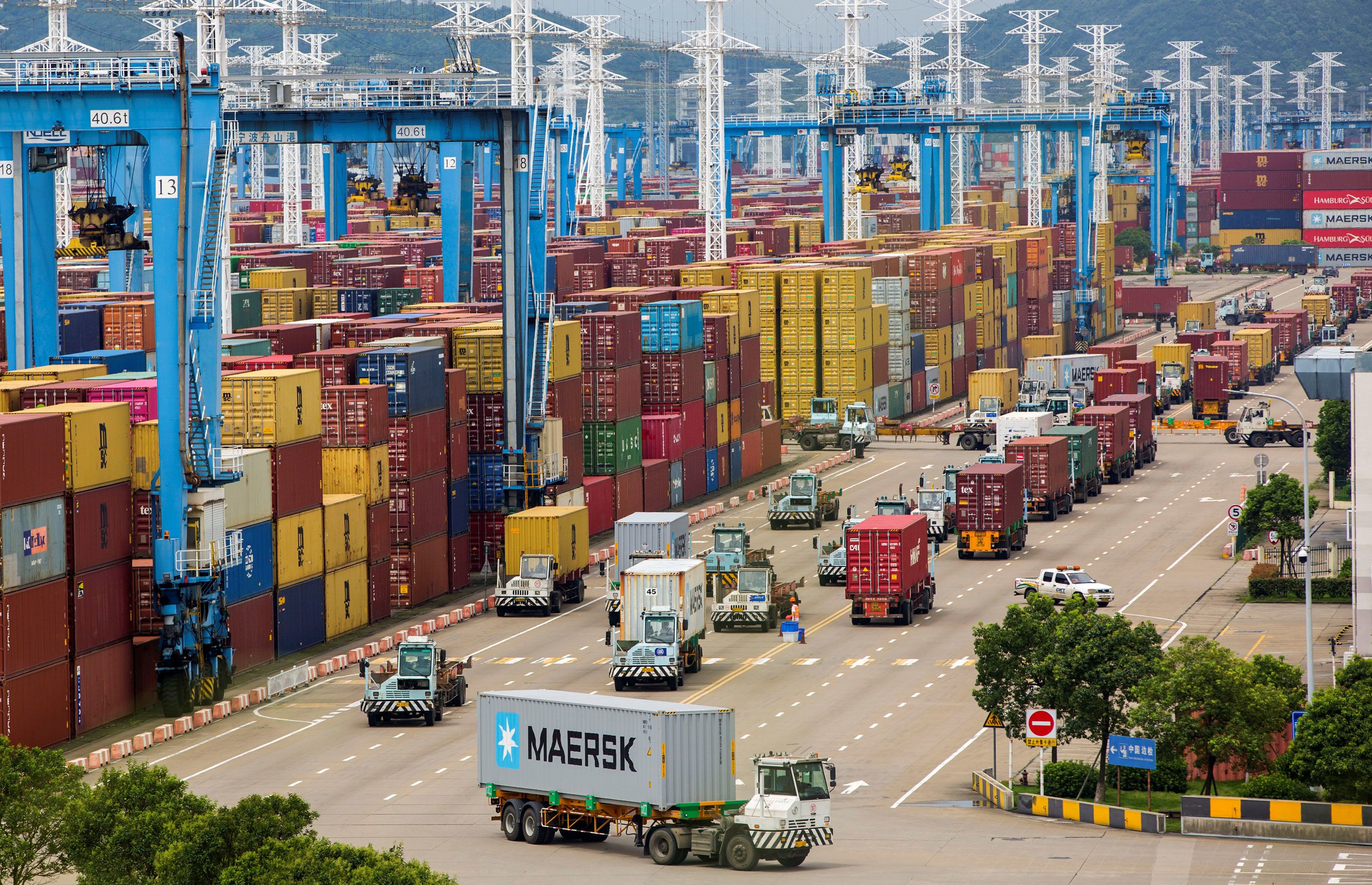
Bonded Stores
Bonded stores, a term often encountered in the maritime industry, refer to a specialized category of goods and products stored on a ship. These items are unique in that they remain exempt from customs duties and taxes until they are removed from the vessel and brought ashore. This exemption is a crucial aspect of international trade, facilitating the smooth movement of goods across borders and ensuring that ships can restock and resupply without incurring immediate financial obligations to the customs authorities.
The concept of bonded stores plays a pivotal role in the logistics and operation of ships engaged in global commerce. It enables vessels to carry a diverse range of products, including alcoholic beverages, tobacco, and certain other duty-sensitive goods, without the burden of immediate taxation. This practice fosters efficiency in maritime operations by allowing ships to stock up on essential supplies during their journeys, reducing the need for frequent port visits solely for customs clearance. By storing bonded goods onboard, vessels can continue their voyages, delivering goods to their destinations promptly and economically.
In conclusion, bonded stores serve as a strategic mechanism in the international shipping and trade industry. They provide a pragmatic solution for ship operators, allowing them to navigate the complexities of customs regulations while ensuring the uninterrupted flow of goods across borders. This approach exemplifies the harmonization of global trade processes, demonstrating how innovative practices can streamline logistics, reduce costs, and bolster the efficiency of maritime transportation networks.